
Hyper-Local Everything: When Personalisation Grows Up
From Customization to Community: How Brands Are Rooting Themselves in Local Culture

There was a long stretch of time where personalisation was the holy grail of marketing—the belief that if a brand could whisper your name back to you, you’d melt into loyalty. But something has shifted. We’re moving from personal to local, from “bespoke for you” to “rooted in us.” It’s less about tailoring and more about belonging, about stitching a brand into the fabric of a place so naturally it feels inevitable. Hyper-local isn’t small; it’s intimate. It’s the difference between being noticed and being understood.
You can feel this in the way luxury houses are trying to seem less monolithic and more neighbourly. Take Louis Vuitton’s “City Guide: Chengdu Edition” and the “Chengdu Chill” pop-up—an entire sensory loop built not just around a city but around its rhythm. The tea houses, the slow social choreography, the appreciation for leisure. LV didn’t market to Chengdu; it relaxed with it. Books, scent, food, workshops—an ecosystem you could sit inside. A brand narrative that wasn’t read but inhabited.
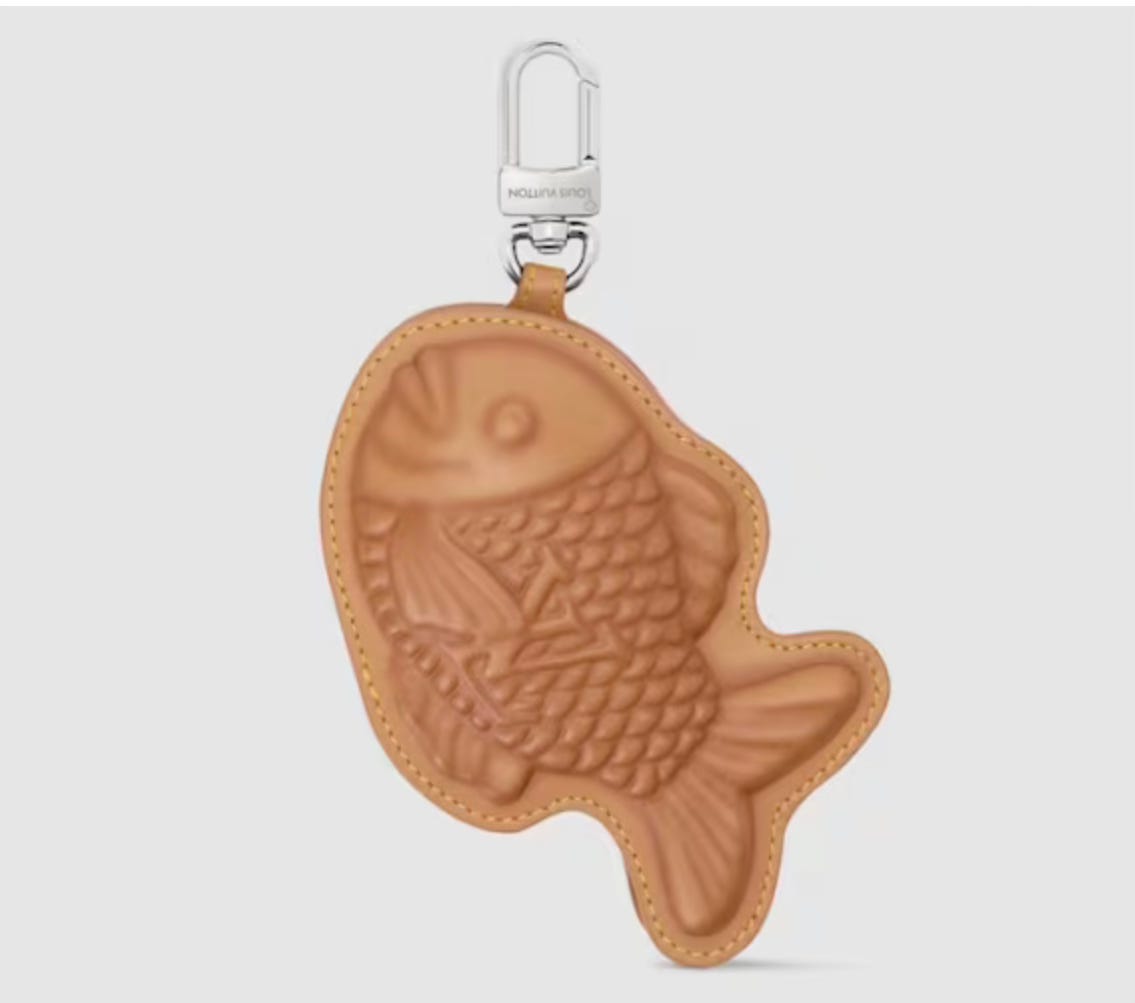
Across Asia, similar moves: the fish-shaped bag charm referencing bungeoppang, a wink toward nostalgia; Tiffany’s “Lock” campaign featuring painters, musicians, and micro-local creatives who tell stories that feel like overheard secrets rather than global broadcasts. These aren’t generic “talents”—they’re cultural nodes, bridges into local communities where global prestige can land softly.
What’s fascinating is that this trend doesn’t quite circle back to personalisation. It’s more communal than that. It’s a move towards shared references, shared heritage, shared micro-identities. It’s nostalgia that belongs to a group, not an individual. And in an era of infinite content, that kind of specificity is grounding. Hyper-local marketing reminds us that culture is not this abstract, borderless cloud. Culture is a street, a scent, a memory, a snack, a dialect, an inside joke. Brands that understand this are no longer shouting into the global void—they’re whispering into the neighbourhood.
As the shape of talent evolves—creators, niche influencers, hometown heroes—brands are learning to embed themselves not through dominance but through fluency. It’s not about being everything to everyone; it’s about being meaningful to somewhere. Community over customisation. Locality over luxury. Not “I see you,” but “I’m here with you.”